FRIDAY, JANUARY 16, 2026
Celebrating a Teen’s First Steps Behind the Wheel
For many teenagers, earning a driver’s license represents a major step toward independence. It’s an exciting turning point—one filled with newfound freedom, but also new responsibilities. For parents, this moment often brings a mix of pride and worry as they watch their teen drive off on their own for the first time. That’s why Teen Driving Awareness Month each January is such a meaningful reminder to acknowledge this milestone while reinforcing the importance of safe driving habits and adequate insurance protection.
Understanding Why Teens Face Greater Risks
Even though overall crash rates have gone down over time, teenagers continue to be one of the most vulnerable age groups on the road. In 2021, drivers under 20 made up just over 5% of all licensed drivers but accounted for more than 12% of crash-involved drivers. Those early months of learning to navigate real-world driving situations are often when inexperience, distractions, and growing confidence collide.
Driving after dark increases these challenges. Limited visibility, tiredness, and a higher number of impaired or inattentive drivers make nighttime trips particularly risky. Teens who are still developing strong judgment and defensive driving skills may find these conditions especially difficult to handle.
Simple Safety Habits That Make a Big Difference
Many of the mistakes new drivers make can be avoided with a few small but powerful daily habits. Encouraging your teen to build these routines early can significantly reduce their risk on the road:
Put the Phone Away
Distracted driving is one of the biggest threats for teenagers. Even glancing at a notification or text can pull attention away from the road long enough to cause a serious accident. Encourage your teen to turn on “Do Not Disturb” or place their phone somewhere out of reach—like in the glove compartment—until the car is parked.
Buckle Up Every Time
Seat belt use remains lower among teens than adults, even though wearing one reduces the risk of severe injury or death by half. Making seat belts a firm requirement for every passenger, every time, helps reinforce just how essential this simple habit is.
Reduce Speed and Allow Extra Space
Speeding and following too closely are two of the most common errors new drivers make. Remind your teen that there’s no need to rush—arriving safely is always the priority. Leaving more distance between cars gives them valuable time to react when something unexpected happens.
Minimize Unnecessary Risks
Setting clear expectations can help teens stay focused. Limiting nighttime driving and keeping the number of passengers to a minimum—especially during the first months of independent driving—reduces distractions and helps teens stay alert.
The Insurance Considerations Every Family Should Review
When your teen earns their license, it’s also a good moment to take another look at your auto insurance. In most cases, adding your teen to an existing family policy offers the best value, but it’s smart to make sure your coverage still aligns with your needs.
Here are a few key components to review:
- Higher liability limits: Additional protection in case your teen is responsible for injuries or property damage in a serious accident.
- Collision coverage: Helps pay for repairs to your vehicle after a crash, regardless of fault.
- Comprehensive coverage: Provides coverage for non-crash-related events such as theft, vandalism, hail, or falling objects.
- Uninsured/underinsured motorist coverage: Protects your family if another driver involved in an accident doesn’t have adequate insurance.
Your insurance agent can guide you through each of these options, helping you decide what works best for your situation. This is also a great time to ask about discounts, such as price reductions for strong academic performance, completion of an approved driving course, or safety features installed in your teen’s vehicle.
A Month to Reflect, Celebrate, and Prepare
Teen Driving Awareness Month isn’t just another calendar observance—it’s an opportunity to celebrate your teen’s progress while making sure they’re set up for long-term success behind the wheel. Open communication, encouragement, and consistent expectations all help build safe habits that can carry them well into adulthood.
Pairing those conversations with the right insurance coverage completes the picture. With thoughtful planning and support, you can help your teen enjoy this exciting phase with confidence—knowing they’re protected every time they hit the road.
If you’re ready to review your auto policy or want guidance on adding a new teen driver, reach out to our office anytime. We’re here to help your family navigate this milestone with clarity and peace of mind.
WEDNESDAY, JANUARY 10, 2024
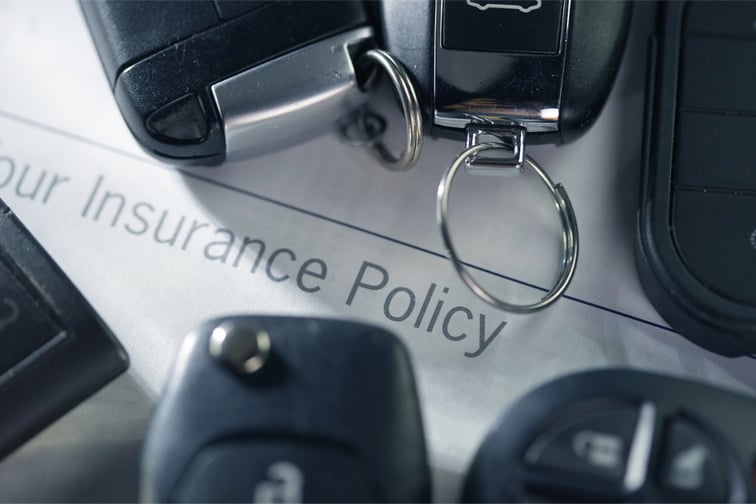
Auto insurance premiums set to surge in 2024
Drivers should brace for double digit increase, according to report
By Mika Pangilinan
The new year is poised to deliver another jolt to American drivers, as insurers are expected to raise auto insurance premiums by an average of 12.6%.
According to ValuePenguin.com, a subsidiary of LendingTree, this projected hike is the steepest since 2018. It also comes on the heels of an 11.2% increase in 2023, signaling a persistent upward trajectory.
Forecasts from ValuePenguin’s State of Auto Insurance report additionally indicate a minimum 3% hike for every state in the US.
Nevada leads the pack with a projected 28% surge. Washington, Arizona, Connecticut, Louisiana, and Georgia also face substantial increases, ranging from 16% to 18%.
With these hikes, the average annual cost of auto insurance is anticipated to hit $1,984 in 2024, according to the report. Drivers in Michigan, Florida, and Nevada are set to shoulder the highest premiums, while those in Maine, New Hampshire, and Idaho are likely to see the lowest rates.
Furthermore, motorists with traffic violations are expected to see a 52% average increase in premiums.
Drivers in North Carolina, California, and Hawaii will face the most significant financial penalties, according to ValuePenguin, with violations and dangerous driving resulting in premium hikes exceeding 90%.
And while electric vehicle insurance is becoming more affordable in 2024, it remains 23% higher than coverage for traditional gasoline-powered cars. Tesla’s Model X, Model 3, and Model Y stand out with the highest insurance premiums, while the Honda CR-V and Ford F-150 emerge as the most economical choices.
Americans feel pressure of rising premiums
As the burden of auto insurance becomes increasingly challenging for Americans, 54% of policyholders told ValuePenguin that they are struggling to afford coverage.
Divya Sangameshwar, an insurance expert at ValuePenguin, said the situation is set to worsen in 2024, with the rate hike surpassing that of the previous year.
She added that Gen Z drivers will be disproportionately affected by the hikes, as they face a staggering 188% increase in car insurance costs compared to their older counterparts.
The factors behind these escalating premiums include the rising cost of car repairs and replacements, despite a slowdown in inflation.
Severe weather incidents in the past year have also led to a surge in insurance claims, prompting insurers to adjust rates to reflect increased weather-related risks.
Additionally, there has been a significant uptick in car thefts since 2022, including a 700% rise in catalytic converter thefts since 2019.
THURSDAY, DECEMBER 1, 2022
Test
Posted 2:02 PM
WEDNESDAY, APRIL 13, 2022
When The Wizard of Oz blew into theaters in 1939, one major character was absent from certain news reports. Before 1948, mentioning "tornado" during a weather broadcast could end the career of the meteorologist. Because of their seeming unpredictability and the likelihood of public panic, the term was effectively banned by the Weather Bureau. But thanks to advances in technology and the work of two Air Force meteorologists, the tornado forecast celebrated its 74th anniversary on March 25th .
While science has improved the ability to forecast these destructive storms, the fact remains they are still incredibly erratic, wreaking havoc on one side of a street while leaving the other unscathed. That is why organizations should know what to do before, during, and after a tornado.
Darkening Skies: Prepare Now for the Threat of a Tornado
Tornado season is considered to start in March and end in June, and this season is already off to a devastating start. However, storms with the potential for tornadoes can happen any time of year. And while many believe these happen mainly in the Central Plains states, known as Tornado Alley, major tornados have been documented all over the country.
No matter where they are located or what time of year it is, organizations need to be prepared by implementing and continually updating their Emergency Action Plan (EAP). The Occupational Safety and Health Administration (OSHA) provides an online eTool that allows organizations to build their own plan that covers a variety of emergencies, including tornadoes.
Key Pieces of a Tornado Preparedness Plan
Identify a safe area in your buildings or a shelter. OSHA suggests the following when determining a safe place:
- Seek a small interior room or hallway on the lowest floor possible
- Stay away from doors, windows and outside walls
- Stay in the center of the room, and avoid corners because they attract debris
- Seek rooms constructed with reinforced concrete, brick, or block with no windows and a heavy concrete floor or roof system overhead
- Avoid auditoriums, cafeterias, and gymnasiums that have flat, wide-span roofs
Have a disaster preparedness kit. Among other items, these kits could include a hatchet or cutting tool to help clear debris, shoes, water, weather radio, and fresh batteries. Also, consider emergency kits for the vehicles in your fleet in the event your drivers are caught in a storm.
Know your local warning system. You should be able to recognize the siren of your community warning system. Sign up for emergency alerts from the Wireless Emergency Alerts (WEAs) system, the Emergency Alert System (EAS), and the NOAA Weather Radio (NWR).
- Watch vs Warning - A watch means the conditions are favorable for a tornado to form. A warning means rotation has been verified or a funnel cloud has been identified and you should seek shelter immediately.
Train employees and complete tornado drills regularly. Training for employees should include the warning system, what to do, and where to go. Drivers should also be trained on what to do if they are caught in a tornado while operating a vehicle.
Consider implementing vehicle telematics. Vehicle telematics can help add another level of protection, from locating vehicles that are stranded through GPS technology to getting vehicle health alerts. PHLYTRAC is a no-cost telematics solution provided to PHLY auto insurance clients.
When the Skies Fall: Staying Safe During a Tornado
There are several signs of an oncoming tornado, including a greenish sky, large hail, and even a roaring noise like an oncoming train. The most recognizable element is the churning clouds that suddenly drop to the ground, spinning up debris. These funnel clouds can be thin columns or miles wide. Be ready to take action if you are caught in an oncoming tornado.
Get to your safe room or shelter immediately. Be sure to grab your disaster kit if it is not already in the room. Stay away from windows, auditoriums, and upper floors.
If possible, stay up to date with reports from EAS, NOAA Weather Radio, or local alerting systems. Make sure a battery-operated weather radio is available or use smartphone apps if phones are charged.
If you're in a vehicle, do not try to outrun a tornado. Drivers should find shelter immediately if possible. If the driver can't get to a shelter, find a safe area to park, leave the engine running and seatbelt buckled. Put your head down below the windows and cover your head with your hands and a blanket or jacket if possible.
If outside, get to a shelter or sturdy building. If unable to get to a building, find a low-lying area such as a ditch and lie flat, covering your head and neck with your arms and a blanket or jacket. Stay away from bridges or overpasses.
As the Skies Clear: Staying Safe After a Tornado
The hours after a tornado can be equally as dangerous so it's important to stay alert and remember to keep yourself and others safe while checking on employees and surveying damages.
Contact emergency services if anyone is injured or in need of assistance.
Continue to monitor weather reports and follow instructions from local authorities.
Activate your Business Continuity and Emergency Response Plans. Having these plans ready to go will help guide your organization in responding and recovering from disasters. Online tools are available to help with this important planning.
When safe to do so, begin documenting damages to buildings and other property. Take pictures and make notes of what is damaged or missing. Attempt to mitigate further damages by using tarps or other mitigating measures.
Be safe during clean-up and while using equipment such as generators. Wear appropriate clothing such as thick-soled shoes, long pants, and work gloves. Be mindful of fuel-powered generators as they can produce dangerous levels of carbon monoxide.
While these powerful forces of nature can be erratic and terrifying, creating a plan, employing that plan, and responding to the aftermath, can help your organization survive the storm.
FRIDAY, NOVEMBER 19, 2021
A SPECIAL ALERT for Auto Insurance Customers
Across the nation, law enforcement is reporting a dramatic increase in the theft of catalytic converters
from personal vehicles. According to the National Insurance Crime Bureau (NICB), there were fewer than
1,300 such thefts reported in 2018. That number jumped to more than 14,000 in 2020.
We want to make you aware of this emerging trend and share some tips on how you can help protect your catalytic converter from theft.
What is the Catalytic Converter? The catalytic converter is a device that helps control your vehicle’s
emissions, by converting hazardous exhaust to less harmful gasses. It’s part of your exhaust system, and
usually located between the engine and your muffler. Catalytic converters contain precious metals, which
thieves can sell to scrap metal recyclers.
Are some types of vehicles more susceptible to catalytic converter theft? Hybrid vehicles, trucks
and SUVs are popular targets. Because a hybrid car doesn’t use the gas engine as often, the catalytic
converter retains more of its precious metals. Trucks and SUVs can also be targets as it’s easier for
thieves to slide underneath the vehicle where the converter is located.
What can I do to help prevent the theft of my catalytic converter?
• If you have a home garage, park your car inside and keep the garage door shut. If you can’t park
inside, install motion sensing lights in your driveway.
• No home garage? Consider a parking garage or other type of secured parking area. When garages
are not an option, park in locations that are well-lit, highly visible and/or have security cameras, all
of which may help dissuade would-be thieves.
• If you have a high-riding vehicle (truck, SUV) back into parking spaces near lower profile cars,
fences, bushes or other obstacles to make it more difficult to access underneath.
• If you have a car alarm, set it to respond to vibrations.
• Several specialized clamps and shields are now on the market to protect catalytic converters. Talk
with a trusted mechanic or dealership to determine if one is right for your vehicle(s).
• Talk to your local body shop about etching your vehicle’s VIN on the catalytic converter. VIN
etching can help police identify the owner, aid in a criminal investigation, and alert metal recyclers
that the catalytic converter may have been stolen.
What should I do if my catalytic converter is stolen?
Report the theft to the police and then contact your insurance company. You may be covered
for the theft if you carry comprehensive coverage on the vehicle.
Catalytic converter thefts are a growing issue, but with some simple steps you can
better avoid becoming a victim.
|
Blog Archive
2026
2024
2022
2021
2018
2017
2016
2015
2014
2013
2012
2011
|